Ever applied a “natural” lipstick only to break out in a rash hours later? You’re not alone. With over 1,400 ingredients banned in EU cosmetics but still allowed in the U.S., navigating makeup safety feels like defusing a chemical bomb blindfolded. At InStyleShoe, we’ve tested hundreds of indie brands so you don’t have to risk your skin—or your peace of mind. This guide cuts through greenwashing to reveal how to truly find clean and safe makeup that performs without poisoning your pores.
Table of Contents
- Why Clean Makeup Matters (More Than You Think)
- Your Step-by-Step Guide to Spotting Truly Clean Products
- 5 Best Practices for Non-Toxic Beauty Routines
- Real Brand Examples That Nail Safety & Performance
- FAQs About Clean and Safe Makeup
Key Takeaways
- FDA doesn’t pre-approve cosmetics—brands self-police ingredient safety.
- “Clean” isn’t regulated; always check third-party certifications like EWG Verified or Leaping Bunny.
- Avoid “fragrance,” parabens, phthalates, and formaldehyde-releasing preservatives.
- Your skin absorbs up to 60% of topical products—what’s inside matters as much as what’s outside.
Why Clean Makeup Matters (More Than You Think)
I learned this the hard way. Last year, I wore a trendy “vegan” foundation for a wedding. By midnight, my cheeks were stinging and swollen. Turns out it contained undisclosed methylisothiazolinone—a preservative banned in leave-on EU products but legal here. That $38 bottle cost me a dermatologist visit and serious trust issues with “clean” labels.
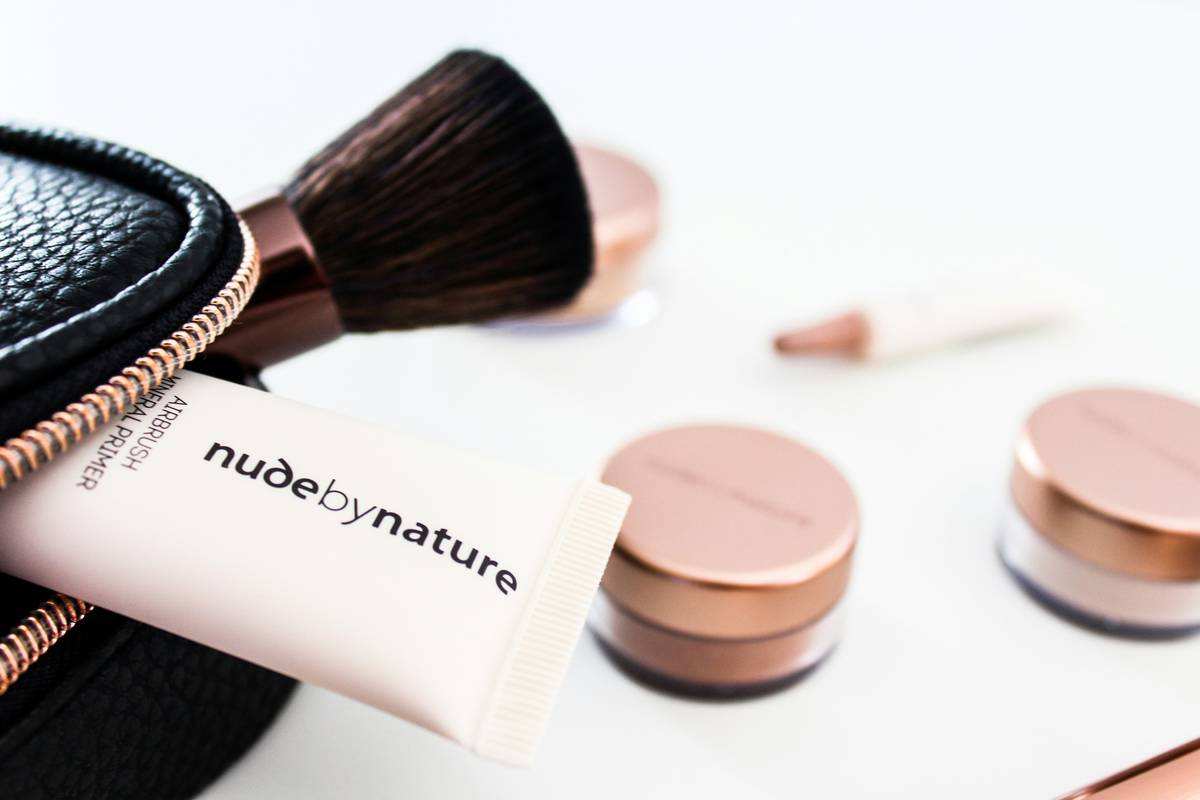
Misleading terms like “natural” or “hypoallergenic” aren’t legally defined for cosmetics. Meanwhile, studies link long-term exposure to common makeup toxins like phthalates to hormonal disruption and even cancer (per NIH research). When brands skip full disclosure, your mirror becomes a gamble.
Your Step-by-Step Guide to Spotting Truly Clean Products
Decode Ingredient Lists Like a Pro
Scan for red flags: parabens (methylparaben, propylparaben), phthalates (often hidden under “fragrance”), PEG compounds, and formaldehyde donors (DMDM hydantoin, quaternium-15). Use free apps like Think Dirty or EWG’s Skin Deep database for instant ratings.
Verify Certifications—Don’t Trust Logos Alone
Look for credible seals: EWG Verified (strictest), USDA Organic (≥95% organic), Leaping Bunny (cruelty-free), or MADE SAFE (screens for 6,500+ toxins). Fake badges abound—click certification links on brand sites to confirm validity.
Research Brand Transparency
Truly clean brands publish full ingredient glossaries, sourcing ethics, and manufacturing practices. If their “About Us” page reads like vague poetry instead of facts, run. We prioritize transparency at InStyleShoe because you deserve to know what touches your skin.
5 Best Practices for Non-Toxic Beauty Routines
- Simplify your routine: Fewer products = less toxin exposure. Swap multi-step kits for multitasking balms.
- Patch-test everything: Apply new products behind your ear for 48 hours before full use.
- Avoid “fragrance”: This loophole hides dozens of undisclosed chemicals. Opt for essential oil-scented or unscented formulas.
- Check expiration dates: Old makeup breeds bacteria. Toss mascara after 3 months, liquid foundation after 12.
- Never share makeup: Cross-contamination spreads infections—and compromises product integrity.
Real Brand Examples That Nail Safety & Performance
RMS Beauty’s “Un” Cover-Up concealer uses organic coconut oil and cocoa butter—zero synthetic fillers. It’s EWG Verified and consistently ranks among our top-tested clean and safe makeup staples. Similarly, Kosas’ Revealer Foundation earned Clean at Sephora status while delivering dewy coverage that lasts 10+ hours. Both brands publish full ingredient breakdowns and avoid greenwashing traps.
In contrast, a popular “clean” influencer brand recently recalled products due to asbestos contamination—a reminder that indie doesn’t automatically mean safe. Always verify. Your health isn’t worth viral hype.
FAQs About Clean and Safe Makeup
What’s the difference between “clean” and “non-toxic” makeup?
“Non-toxic” implies no harmful ingredients, while “clean” is unregulated marketing speak. Always prioritize ingredient lists over labels. True clean and safe makeup avoids known irritants and carcinogens verified by third parties.
Are clean makeup brands more expensive?
Not necessarily. Brands like e.l.f. Cosmetics offer affordable, EWG Verified options under $12. Price ≠ purity—always check certifications, not price tags.
Can I trust “dermatologist-tested” claims?
Rarely. This phrase has no legal standard and often means just one dermatologist tried it once. Look for clinical study citations instead.
How do I dispose of old toxic makeup safely?
Wipe containers clean and recycle plastic/metal parts. Never pour liquids down drains—check Earth911.com for local hazardous waste drop-offs.
Is clean makeup better for sensitive skin?
Usually yes—by omitting common irritants like sulfates and synthetic dyes. But patch-testing remains essential since “natural” ingredients (e.g., citrus oils) can also trigger reactions.
Where can I report unsafe products?
File a report with the FDA’s MedWatch program. For immediate help finding alternatives, contact our team. We’re committed to your safety—see our full data practices in our Privacy Policy.
Beauty shouldn’t come with a warning label. Choose wisely, verify relentlessly, and wear your confidence—not your chemicals—on your sleeve. After all, the safest glow is the one that starts from within.