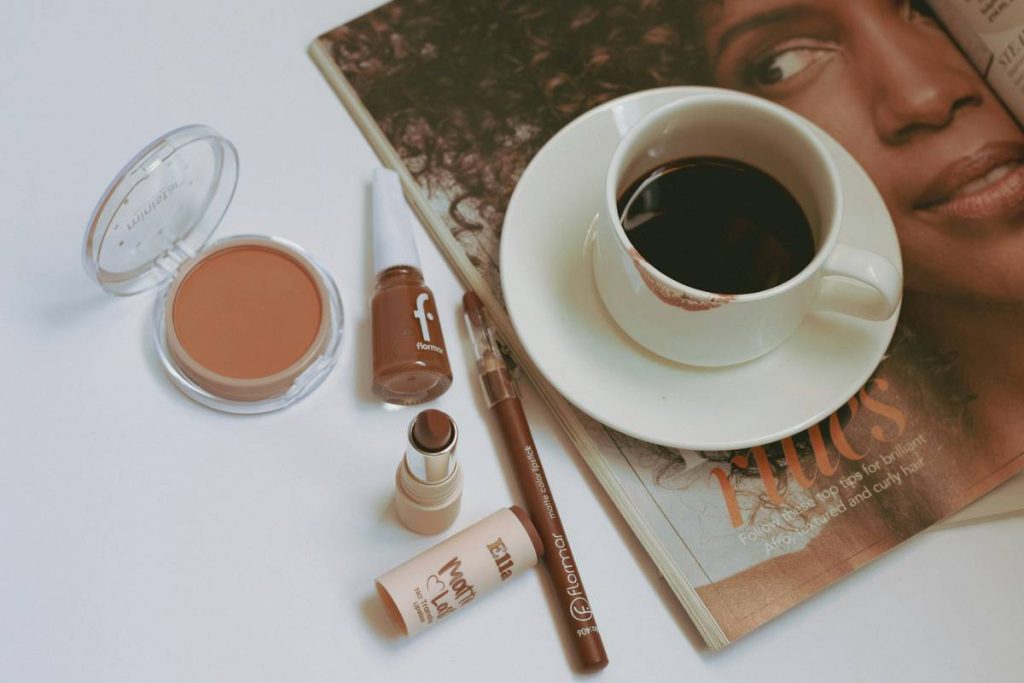
Most makeup sits on your skin for hours—sometimes days. Yet, many mainstream formulas still hide hormone disruptors, heavy metals, and synthetic fragrances under vague labels like “fragrance” or “parfum.” The irritation, breakouts, and long-term health risks aren’t worth the price tag. But here’s the good news: clean non toxic makeup brands exist—and they actually perform.
The Dirty Truth About “Safe” Makeup Labels
Regulations lag decades behind science. In the U.S., the FDA doesn’t require pre-market safety testing for cosmetics. “Hypoallergenic”? Meaningless. “Dermatologist-tested”? Often a paid endorsement. And “natural” could still mean 5% plant extract swimming in petroleum byproducts.
Worse—greenwashing is rampant. A brand slaps a leaf on the packaging, ditches parabens (which were already being phased out industry-wide), and suddenly it’s “clean.” Real purity demands full ingredient transparency, third-party certifications, and ethical sourcing—not just marketing fluff.
How to Choose Truly Clean Non Toxic Makeup Brands
Forget buzzwords. Follow the data. Here’s how to vet brands that walk the talk:
Check for Rigorous Certifications
Look beyond self-declared claims. Certifications like EWG Verified, Leaping Bunny (cruelty-free + rigorous ingredient screening), COSMOS Organic, or MADE SAFE carry real weight. They audit supply chains and ban entire chemical classes—not just one or two villains.
Prioritize Full Ingredient Disclosure
If a brand won’t list everything online—or hides behind “proprietary blends”—run. True clean beauty brands publish full INCI lists with explanations. Some even name their suppliers. Transparency isn’t optional; it’s the baseline.
Evaluate Performance Without Compromise
Clean makeup used to mean chalky foundations and eyeshadows that vanished by noon. Not anymore. Modern pigment technology—like mineral-based micas and plant-derived emollients—delivers rich color payoff, blendability, and staying power without toxic trade-offs.

| Criteria | Conventional Brands | Clean Non Toxic Makeup Brands |
|---|---|---|
| Ingredient Disclosure | Partial; “fragrance” loophole common | Full INCI list; no hidden components |
| Third-Party Verification | Rare; mostly self-certified | EWG Verified, MADE SAFE, COSMOS, etc. |
| Heavy Metal Testing | Not required; often untested | Mandatory batch testing reported publicly |
| Price Range (Foundation) | $8–$45 | $18–$52 (premium for safety + ethics) |
| Longevity & Finish | High-performing but may irritate | Comparable wear; non-comedogenic formulas |

The Industry Secret: The “Non-Toxic” Baseline Is Still Too Low
Here’s what insiders won’t say: even many “clean” brands skip scrutiny on nanoparticle safety or biodegradability. Titanium dioxide? Safe in bulk—but nano-sized? Inhalation risks are real in powders. And “vegan” doesn’t equal eco-friendly if palm oil derivatives drive deforestation.
The real pioneers go further. They use airless packaging to prevent preservative overuse. They partner with labs that test for endocrine disruption—not just acute toxicity. And they reformulate annually as new research emerges. Stick with brands that treat safety as a moving target—not a checkbox.
Frequently Asked Questions
What defines a truly clean non toxic makeup brand?
Full ingredient transparency, third-party certifications (like EWG Verified), absence of known toxins (phthalates, parabens, formaldehyde donors), and ethical sourcing—not just “natural” marketing.
Is clean makeup as effective as conventional makeup?
Absolutely. Advances in mineral pigments and plant-based polymers now deliver rich color, smooth application, and all-day wear without compromising skin health.
Why is clean non toxic makeup often more expensive?
Higher-quality raw materials, rigorous testing, sustainable packaging, and smaller batch production increase costs—but you’re paying for safety, ethics, and performance that lasts.