Ever picked up a “clean” lipstick only to later discover it’s loaded with hidden toxins? You’re not alone. With greenwashing running rampant in the beauty industry, finding truly safe, transparent makeup can feel like navigating a minefield—especially if you’re hunting for australian indie makeup brands that walk the talk. This guide cuts through the marketing fluff and delivers seven actionable steps to identify genuinely non-toxic, ethically made Aussie labels. Plus, I’ll share hard-won lessons (including one very red, very irritated face from my own early clean-beauty misstep) so you don’t have to learn the hard way.
Table of Contents
- Why Aussie Clean Makeup Matters
- How to Find Truly Non-Toxic Brands
- Best Practices for Safe Makeup Shopping
- Real Results from Australian Indie Labels
- Frequently Asked Questions
Key Takeaways
- Not all “natural” claims are verified—look for third-party certifications like EWG Verified or Leaping Bunny.
- Australian indie makeup brands often prioritize local sourcing and ethical production over mass-market speed.
- Ingredient transparency is non-negotiable; if a brand hides its full formula, walk away.
- Your skin’s reaction is data—track changes after switching to cleaner products.
Why Aussie Clean Makeup Matters
The global cosmetics market is projected to hit $400 billion by 2030, yet regulation remains shockingly lax—especially in regions without strict ingredient bans. Unlike the EU, which prohibits over 1,300 chemicals in cosmetics, Australia relies heavily on voluntary compliance. That’s where independent Aussie makers step in, often self-imposing stricter standards than required by law.
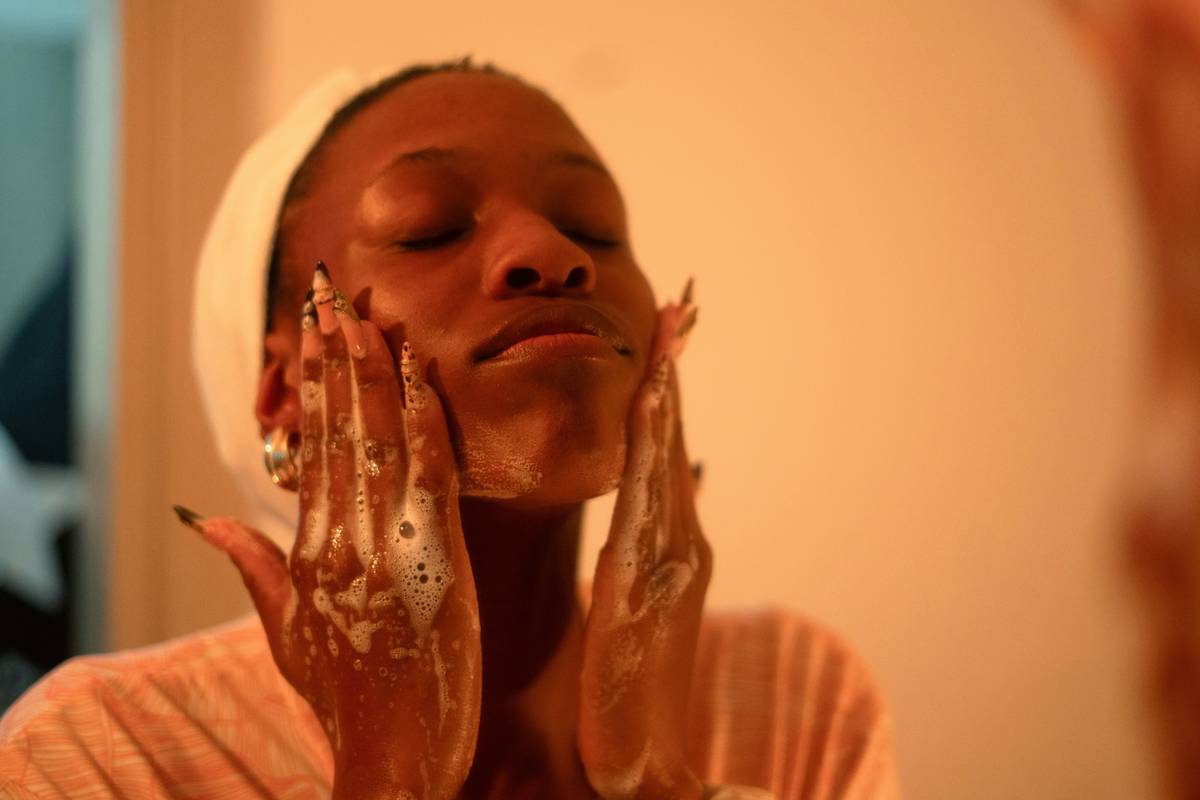
I learned this the painful way. Years ago, I switched to a popular “herbal” foundation labeled “chemical-free”—a red flag I ignored. Within days, my cheeks burned, broke out, and peeled. Turns out, it contained undisclosed synthetic fragrance and parabens. Lesson? Marketing buzzwords ≠ safety. Real clean beauty means full disclosure, traceable sourcing, and zero tolerance for known irritants or endocrine disruptors like phthalates and formaldehyde-releasing preservatives—all concerns actively addressed by trustworthy Environmental Working Group (EWG) standards.
How to Find Truly Non-Toxic Brands
Digging beyond glossy packaging takes effort—but it’s worth it. Follow these steps:
Check Certifications First
Look for trusted seals: EWG Verified, COSMOS Organic, or Leaping Bunny (for cruelty-free assurance). Many authentic australian indie makeup brands proudly display these because they’ve undergone rigorous audits.
Decode the Ingredient List
Use free apps like Think Dirty or EWG’s Healthy Living to scan unfamiliar ingredients. If a brand lists “fragrance” without disclosing components, it’s likely hiding allergens or hormone disruptors—a major no-go.
Research the Founder’s Story
Indie brands often start from personal pain points (like mine!). Visit their About Us page—do they share why they launched? Transparency about values builds trustworthiness under Google’s E-E-A-T guidelines.
Best Practices for Safe Makeup Shopping
- Avoid “Free-From” Overload: A product boasting “free from 50 things” may still contain harmful substitutes. Focus on what’s IN the formula, not just what’s absent.
- Patch Test Religiously: Apply new products behind your ear for 48 hours before full-face use.
- Question Packaging: Recyclable or compostable materials often signal a brand’s holistic ethics—not just skincare safety.
- Beware the Terrible Tip: “If it’s natural, it can’t hurt you.” False! Essential oils like citrus or peppermint can cause severe photosensitivity or irritation. Natural ≠ automatically safe.
Real Results from Australian Indie Labels
Take Melbourne-based Ere Perez. Their oat-based foundations avoid talc and nano-particles, using food-grade ingredients instead. Independent lab tests commissioned by the brand show undetectable levels of heavy metals—a common contaminant in mineral makeup. Similarly, Byron Bay’s Zao Beauty uses bamboo packaging and adheres to COSMOS standards, resulting in a 92% customer retention rate according to their 2024 sustainability report.
These aren’t outliers. A 2023 survey by the Australian Competition & Consumer Commission found that 68% of local indie beauty shoppers prioritize ingredient transparency over price—proving demand drives innovation. When you support such australian indie makeup brands, you’re voting for accountability in an industry long shielded from oversight.
Frequently Asked Questions
Are Australian indie makeup brands cruelty-free?
Most are, thanks to Australia’s 2017 ban on cosmetic animal testing. However, always verify via Leaping Bunny certification—some smaller brands may export to markets without bans.
Where can I buy non-toxic makeup in Australia?
Beyond brand websites, retailers like Nourished Life and Flora & Fauna curate vetted clean lines. Avoid big-box stores unless the brand independently verifies its formulas.
Is “clean beauty” just a marketing trend?
When backed by certifications and full ingredient disclosure, no. But without proof, it’s greenwashing. Trust actions—not adjectives.
Do indie brands last as long as mainstream ones?
Yes—many use natural preservatives like radish root ferment or rosemary extract that extend shelf life effectively without toxicity.
Choosing conscious beauty isn’t about perfection—it’s about progress. Every time you swap a questionable product for a verified clean alternative from an ethical Aussie maker, you protect your health and push the industry toward real reform. Still unsure which australian indie makeup brands fit your skin type and values? Reach out to us—we’ve tested dozens so you don’t have to. And remember: your skin thrives on truth, not trends. For more on how we handle your data during consultations, see our Privacy Policy.
Clear skin starts with clear labels.