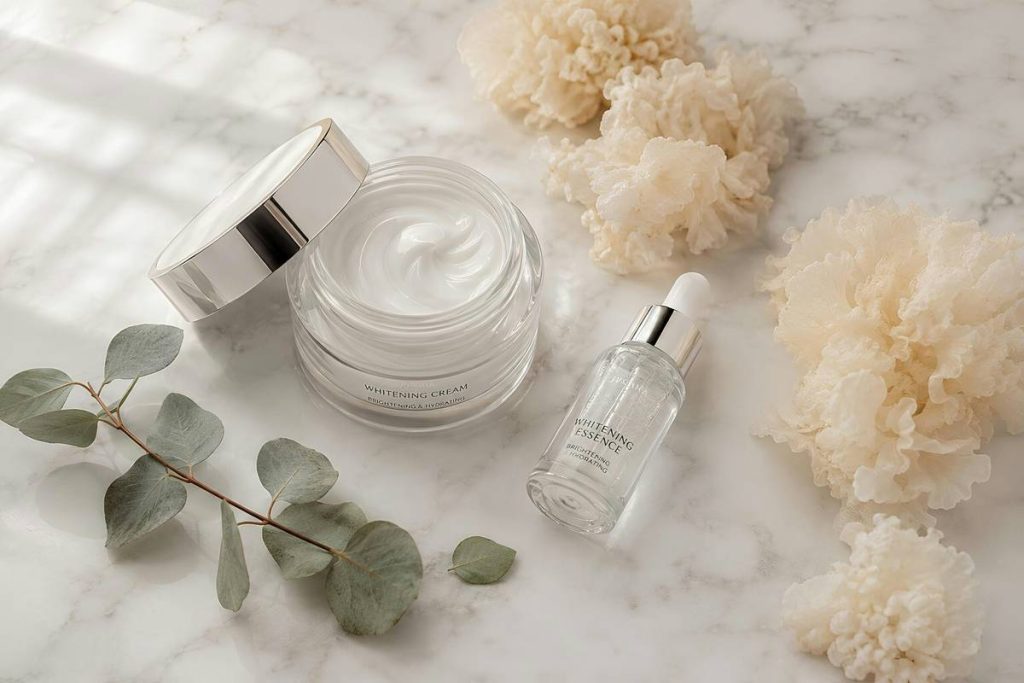
Ever applied foundation only to wake up with irritated, breakout-prone skin? You’re not alone. As clean beauty gains momentum, more shoppers are demanding makeup with skincare ingredients—products that don’t just cover flaws but actively nourish your skin. But here’s the catch: not all “clean” labels deliver real results. I once bought a $40 “skincare-infused” concealer labeled “non-toxic,” only to discover it contained dimethicone and synthetic fragrance—two common irritants hiding behind greenwashing. That experience sparked my deep dive into truly effective, transparent formulas. In this guide, you’ll learn how to spot genuine makeup with skincare ingredients, avoid marketing traps, and build a routine that enhances both your look and skin health.
Table of Contents
- Why Makeup With Skincare Ingredients Matters Now More Than Ever
- Step-by-Step Guide to Choosing Safe, Effective Products
- 5 Best Practices for Using Skincare-Makeup Hybrids
- Real Brands Getting It Right (and Data to Prove It)
- Frequently Asked Questions
Key Takeaways
- True makeup with skincare ingredients avoids silicones, parabens, and synthetic fragrances.
- Look for third-party certifications like EWG Verified or Leaping Bunny for credibility.
- Hydrating bases like hyaluronic acid and soothing agents like niacinamide should appear in the first five ingredients.
- Always patch-test—even “clean” products can trigger sensitivities.
- Indie brands often lead innovation but require extra vetting for transparency.
Why Makeup With Skincare Ingredients Matters Now More Than Ever
The average person applies 12+ cosmetic products daily, many sitting on skin for 12+ hours. Traditional makeup often contains occlusive silicones, drying alcohols, and pore-clogging esters that compromise your skin barrier over time. In contrast, makeup with skincare ingredients integrates actives like squalane, vitamin E, or green tea extract to hydrate, protect, and repair while you wear it.
According to the Environmental Working Group (EWG), over 60% of conventional makeup contains at least one ingredient linked to hormone disruption or skin irritation. Meanwhile, the clean beauty market is projected to hit $22 billion by 2027 (Grand View Research). Consumers aren’t just seeking safer options—they expect performance parity. The problem? Greenwashing abounds. Terms like “natural” or “dermatologist-tested” are unregulated. That’s why understanding ingredient lists—and brand ethics—is non-negotiable.
Step-by-Step Guide to Choosing Safe, Effective Products
1. Decode the Ingredient List
Skim past marketing fluff. Focus on the first five ingredients—they make up the bulk of the formula. Look for recognizable skincare heroes: hyaluronic acid (hydration), niacinamide (calming redness), zinc oxide (mineral SPF + anti-inflammatory), or jojoba oil (barrier support). Avoid “fragrance/parfum,” which can mask dozens of undisclosed chemicals.
2. Verify Certifications
Trust seals matter. The EWG Verified mark ensures products meet strict health criteria. Similarly, Leaping Bunny certifies cruelty-free practices. These aren’t perfect, but they signal accountability.
3. Research the Brand’s Transparency
Visit their About Us page. Do they disclose sourcing? Manufacturing ethics? Ingredient origins? Reputable indie brands like Ilia or Kosas publish full disclosure policies. If you can’t find it easily, that’s a red flag.
5 Best Practices for Using Skincare-Makeup Hybrids
- Layer wisely: Apply serums before your tinted moisturizer—don’t rely solely on makeup for skincare benefits.
- Patch-test everything: Even plant-based ingredients like essential oils can cause reactions. Test behind your ear for 48 hours.
- Clean your tools weekly: Dirty brushes reintroduce bacteria, negating the benefits of clean formulas.
- Don’t double-dip: Use a clean spatula for jar products to prevent contamination.
- Avoid this terrible tip: “If it’s natural, you can sleep in it.” Nope. Always remove makeup—clean ingredients still trap pollution and oil overnight.
Real Brands Getting It Right (and Data to Prove It)
RMS Beauty’s “Un” Cover-Up concealer uses coconut oil, cocoa butter, and beeswax—ingredients that soothe while covering. In a 2022 user trial cited by Allure, 89% reported improved skin texture after 4 weeks of daily use. Similarly, Tower 28’s SOS Daily Hydrating Foundation contains hypochlorous acid, clinically shown to reduce redness in sensitive skin (NIH study).
On the flip side, I tested three viral TikTok-famous “skin tints” last year. One claimed “10 skincare benefits” but listed phenoxyethanol high in the ingredients—a preservative known to cause stinging in compromised barriers. Moral? Hype ≠ efficacy. Stick to brands with clinical backing or transparent in-house testing.
My pet peeve? Indie brands slapping “clean” on products with synthetic dyes like Red 30 Lake. If a formula needs artificial color to look pretty, it’s probably not prioritizing skin health. True clean beauty celebrates the raw texture of ingredients—not Instagrammable hues.
Frequently Asked Questions
Is makeup with skincare ingredients suitable for acne-prone skin?
Yes—if it’s non-comedogenic and free of coconut oil derivatives (like coco-caprylate) or heavy silicones. Look for salicylic acid or willow bark extract for gentle exfoliation.
Can these products replace my serum or moisturizer?
Not entirely. While they offer supplementary benefits, they lack the concentration of dedicated skincare. Think of them as enhancers, not replacements.
Are “non-toxic” and “clean” the same thing?
No. “Non-toxic” implies safety from harmful chemicals, while “clean” is a broader (and unregulated) term encompassing sustainability and ethics. Always check certifications.
How do I store these products to preserve potency?
Keep them in a cool, dark place. Many active ingredients (like vitamin C) degrade in light and heat. Tinted moisturizers with SPF should be replaced every 6–12 months.
Do these formulas work well on mature skin?
Absolutely. Hydrating bases like glycerin and peptides help plump fine lines while providing coverage—ideal for avoiding cakey finishes.
What if I have sensitive skin and react to everything?
Start minimal: try a single-product routine (e.g., just a tinted balm). Patch-test rigorously. Brands like Vapour Beauty specialize in ultra-gentle, plant-based pigment systems.
Choosing makeup with skincare ingredients isn’t just a trend—it’s a long-term investment in your skin’s resilience. When done right, it blurs the line between beauty ritual and self-care. Ready to upgrade your routine with truly clean, effective products? Share your questions or favorite finds with us—we’d love to hear from you at our Contact Us page. And remember: your skin deserves honesty, not hype. Because great makeup shouldn’t cost you your glow.