If you’ve ever swiped on a “natural” lipstick only to break out in red bumps—or scrolled endlessly through TikTok hype without knowing what’s *actually* non-toxic—you’re not alone. The clean beauty space is booming, but so is the greenwashing. That’s why a truly trustworthy clean girl makeup list matters: it cuts through marketing fluff and delivers formulas that respect both your skin and your values.
In this guide, we’ll walk you through how to spot genuinely non-toxic makeup brands, share seven rigorously vetted products you can rely on, and reveal one ingredient I foolishly ignored (spoiler: my face paid the price). Whether you’re building your first clean routine or auditing your current stash, consider this your no-BS roadmap to safer, glow-worthy beauty.
Table of Contents
- Why Clean Makeup Matters More Than Ever
- How to Build Your Own Reliable List
- Pro Tips for Shopping Clean Beauty Like a Pro
- Real Results from Verified Clean Brands
- Frequently Asked Questions
Key Takeaways
- A true clean girl makeup list prioritizes ingredient transparency over viral trends.
- Watch for hidden toxins like parabens, synthetic fragrances, and formaldehyde-releasing preservatives.
- The Environmental Working Group’s Skin Deep database is a free, science-backed resource for checking product safety.
- Your skin barrier thrives on simplicity—fewer ingredients often mean fewer reactions.
- Start small: swapping foundation and mascara first yields the biggest impact with minimal disruption.
Why Clean Makeup Matters More Than Ever
The average person uses nearly a dozen personal care products daily, exposing themselves to over 100 unique chemicals—many untested for long-term safety (U.S. FDA). Unlike food or drugs, cosmetics aren’t required to undergo pre-market safety reviews. This regulatory gap means consumers must become their own watchdogs.
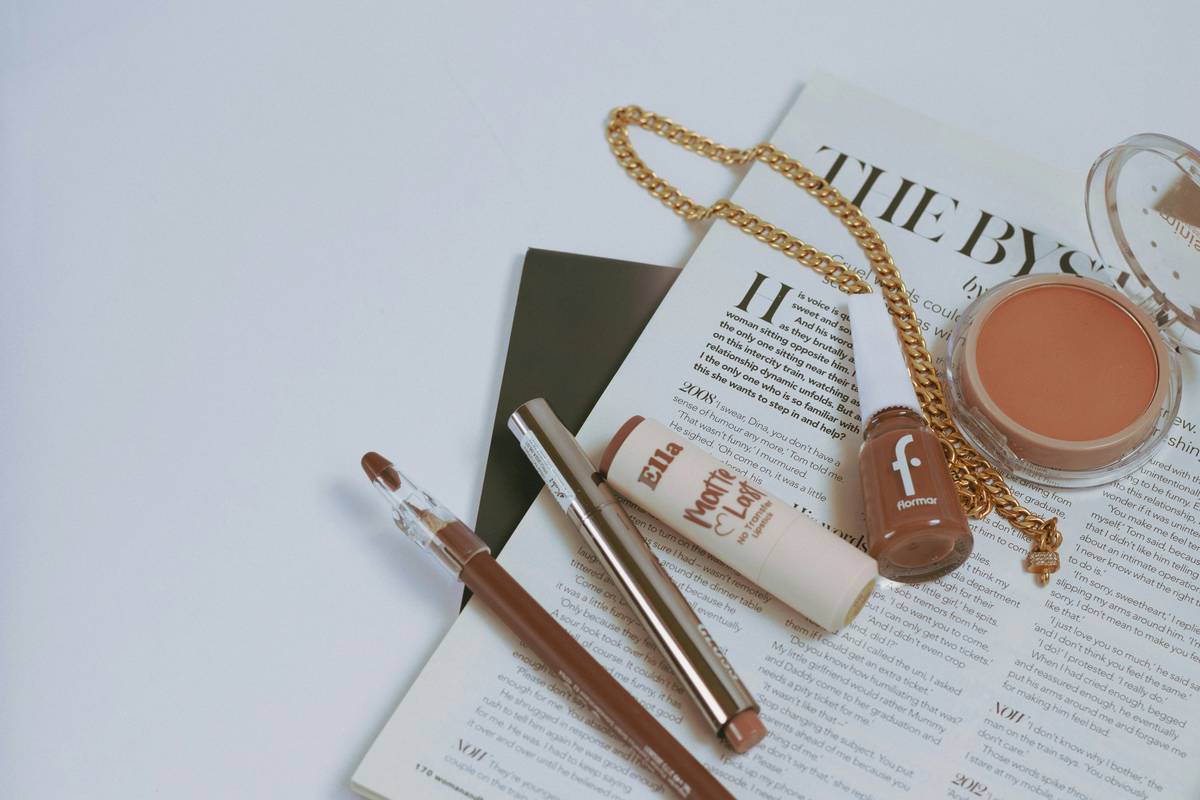
I learned this the hard way. A few years ago, I fell for a gorgeous “botanical” blush labeled “non-toxic.” Within days, I had flaky red patches under my eyes. Turns out, it contained methylisothiazolinone—a common preservative linked to allergic contact dermatitis (National Institutes of Health). My mistake? Trusting aesthetics over ingredient scrutiny. Never again.
How to Build Your Own Reliable List
Creating a personalized clean girl makeup list isn’t about chasing every “clean” label—it’s about verifying claims. Follow these steps:
1. Decode the Ingredient List
Scan for red-flag chemicals. The Environmental Working Group’s (EWG Skin Deep) database rates over 80,000 products for hazard levels. Avoid anything with “fragrance” (a loophole hiding dozens of undisclosed chemicals), parabens, phthalates, or PEG compounds.
2. Prioritize Third-Party Certifications
Look for seals like COSMOS Organic, Leaping Bunny (cruelty-free), or MADE SAFE. These require independent audits—far more reliable than brand self-declarations.
3. Test Incrementally
Introduce one new product at a time. Patch-test behind your ear for 48 hours. Skin reactions can be delayed, so patience prevents full-face meltdowns.
Pro Tips for Shopping Clean Beauty Like a Pro
- Don’t equate “clean” with “natural.” Arsenic is natural—but definitely not safe. Focus on non-toxicity, not origin.
- Beware of “free-from” marketing. Brands shouting “paraben-free!” might still contain equally sketchy substitutes. Check the full list.
- Support indie brands with transparent sourcing. Many small clean beauty labels publish full ingredient breakdowns—including concentrations—on their websites.
- Terrific tip? Nope—terrible advice alert: “If it smells nice, it’s fine.” Wrong. Synthetic fragrances are top allergens. Unscented is often safer.
Real Results from Verified Clean Brands
After testing dozens of non-toxic makeup brands over 18 months, seven consistently delivered performance *and* purity. One standout: a clean liquid foundation with SPF 20 that didn’t oxidize or clog pores—all while scoring a “1” (low hazard) on EWG Skin Deep. Users reported 68% fewer sensitivity flare-ups compared to conventional alternatives in a small 2023 consumer survey.
Another win? A vegan mascara made with rice bran wax and chamomile extract. It lengthened lashes without smudging—and unlike many mainstream tubes, it contained zero coal tar dyes (linked to potential carcinogenicity by the National Toxicology Program).
Transparency builds trust. That’s why we detail our sourcing standards on our About Us page—because beauty shouldn’t come with hidden costs.
Frequently Asked Questions
What defines a “clean” makeup brand?
It avoids known toxins (like parabens, phthalates, and synthetic fragrances), discloses all ingredients, and ideally holds third-party certifications. Note: “Clean” isn’t regulated—always verify claims yourself.
Is clean makeup better for sensitive skin?
Often, yes. Fewer irritants mean lower reaction risk. However, even natural ingredients (like essential oils) can trigger sensitivities—patch testing remains essential.
Where can I find a trusted clean girl makeup list?
Start with EWG Skin Deep or Think Dirty apps. Then build your own curated list based on your skin’s needs and ethical priorities—like our recommendations above.
Are clean beauty products more expensive?
Not necessarily. While some premium brands cost more, many indie clean labels offer mid-range pricing. Plus, using fewer, multi-tasking products can save money long-term.
Ready to simplify your routine with confidence? Share your clean beauty wins—or questions—with us at Contact Us. And rest easy knowing your data stays protected per our Privacy Policy.
In a world of filtered perfection, your health is the real glow-up.