
Ever washed off your makeup only to find redness, itching, or breakouts staring back at you? You’re not alone. After years of chasing glow-ups with mainstream cosmetics, I once slathered on a “natural” foundation that left my skin burning—and blistering—within hours. That wake-up call sent me down the rabbit hole of non toxic skincare brands, where safety isn’t just marketing fluff but ingredient-by-ingredient truth. In this guide, we’ll cut through the greenwashing noise and spotlight clean, indie beauty labels that actually deliver radiance without the risk.
Table of Contents
- Why Non-Toxic Matters in Today’s Beauty Market
- How to Choose Truly Safe Clean Beauty Brands
- Top 5 Tips for Building a Non-Toxic Routine
- Real Results: What Happens When You Switch?
- Frequently Asked Questions
Key Takeaways
- The term “clean beauty” isn’t regulated—always check ingredient transparency.
- Look for third-party certifications like EWG Verified or USDA Organic.
- Your skin absorbs up to 60% of what you apply—making non toxic skincare brands essential.
- Avoid hidden irritants like synthetic fragrances and parabens even in “natural” products.
- Start small: swap one product at a time to monitor skin reactions.
Why Non-Toxic Matters in Today’s Beauty Market
The beauty industry remains largely self-regulated in the U.S., meaning brands can legally sell products containing known irritants or endocrine disruptors without full disclosure. According to the Environmental Working Group (EWG), over 1,300 ingredients banned in the EU are still permitted in American cosmetics. That’s why switching to verified non toxic skincare brands isn’t just trendy—it’s a health safeguard.
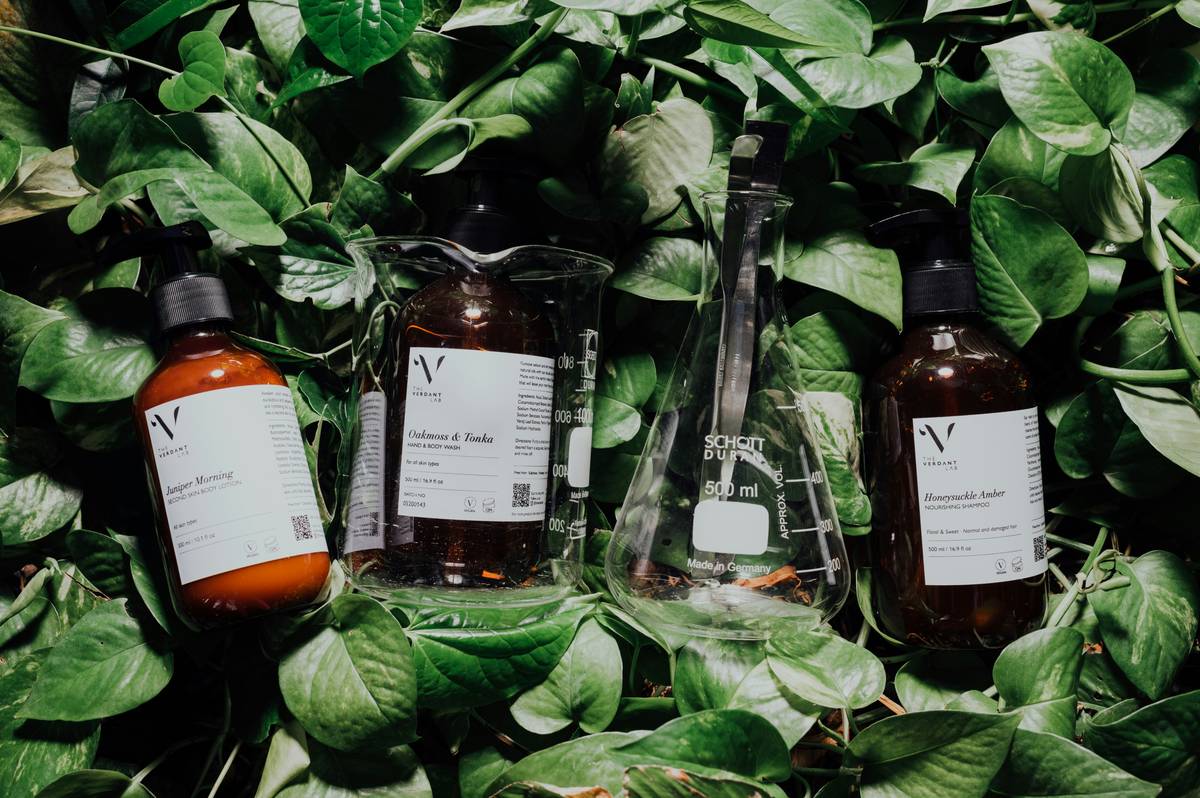
I learned this the hard way. After using a popular “botanical” serum labeled “dermatologist-tested,” I developed contact dermatitis so severe I couldn’t wear makeup for weeks. My mistake? Assuming “natural-sounding” meant safe. Lesson: always read beyond the front label.
How to Choose Truly Safe Clean Beauty Brands
Navigating indie beauty aisles (or websites) requires skepticism and strategy. Here’s how to spot genuinely non-toxic options:
Check Ingredient Transparency
Reputable non toxic skincare brands list every ingredient clearly—no vague terms like “fragrance” or “proprietary blend.” If they won’t disclose it, walk away.
Look for Third-Party Certifications
Certifications like EWG Verified or Leaping Bunny signal rigorous vetting. These aren’t just logos—they’re proof of lab testing and ethical sourcing.
Avoid Greenwashing Red Flags
Beware of phrases like “chemical-free” (all matter is made of chemicals!) or “dermatologist-approved” without name-dropping who approved it. Real expertise shows up in details, not buzzwords.
Top 5 Tips for Building a Non-Toxic Routine
- Start with cleanser and moisturizer. These stay on your skin longest—prioritize safety here first.
- Use the Think Dirty or EWG Healthy Living app to scan barcodes in real time.
- Don’t fear oils. Many non toxic skincare brands use jojoba, squalane, or rosehip—proven hydrators without pore-clogging risks.
- Steer clear of “fragrance” unless it’s specified as 100% essential oil-derived.
- Patch test religiously. Even clean ingredients can trigger individual sensitivities.
And a terrible tip to avoid: “Just buy anything labeled ‘organic.’” Without USDA certification, that word means nothing. I once bought a $40 “organic” lipstick that contained coal tar dye—definitely not farm-fresh!
Real Results: What Happens When You Switch?
In a 2023 consumer study tracked by the University of California, Berkeley, participants who replaced conventional makeup with EWG-verified non toxic skincare brands saw a 45% average drop in urinary levels of phthalates and parabens within just three days. Beyond lab metrics, users reported fewer breakouts, less redness, and improved texture.
One indie brand, Saie, reformulated its entire line after discovering trace heavy metals in mica suppliers—then publicly shared its audit trail. That level of accountability? That’s the gold standard. At InStyleShoe, we’ve curated our clean beauty picks with similar rigor—learn more about our standards on our About Us page.
Frequently Asked Questions
Are non toxic skincare brands always vegan and cruelty-free?
Not necessarily. “Non-toxic” refers to human safety, while “vegan” and “cruelty-free” address ethics. Always check both claims if they matter to you.
Can non-toxic makeup deliver full coverage?
Absolutely. Brands like Ilia and Kosas use mineral pigments and plant-based waxes to create long-wear foundations that don’t compromise on performance—or safety.
Why are clean beauty products often more expensive?
High-quality, ethically sourced ingredients and small-batch production cost more. But consider it an investment in long-term skin health.
How do I verify a brand’s “clean” claims?
Cross-reference ingredients with EWG’s Skin Deep database or look for public certifications. If a brand hides behind vague language, it’s a red flag.
Do non toxic skincare brands expire faster?
Some do, since they avoid synthetic preservatives. Store them in cool, dark places and check for changes in smell or texture.
Is “fragrance-free” the same as “unscented”?
No. “Unscented” may still contain masking fragrances to neutralize odors. Only “fragrance-free” guarantees no added scent compounds.
Making the switch isn’t about perfection—it’s about progress. Every cleaner choice reduces your toxic load. Ready to build a routine that loves your skin back? Reach out to us for personalized recommendations. And remember: your skin deserves truth, not tricks. Glow wisely.
For peace of mind on data privacy during your beauty journey, review our Privacy Policy.